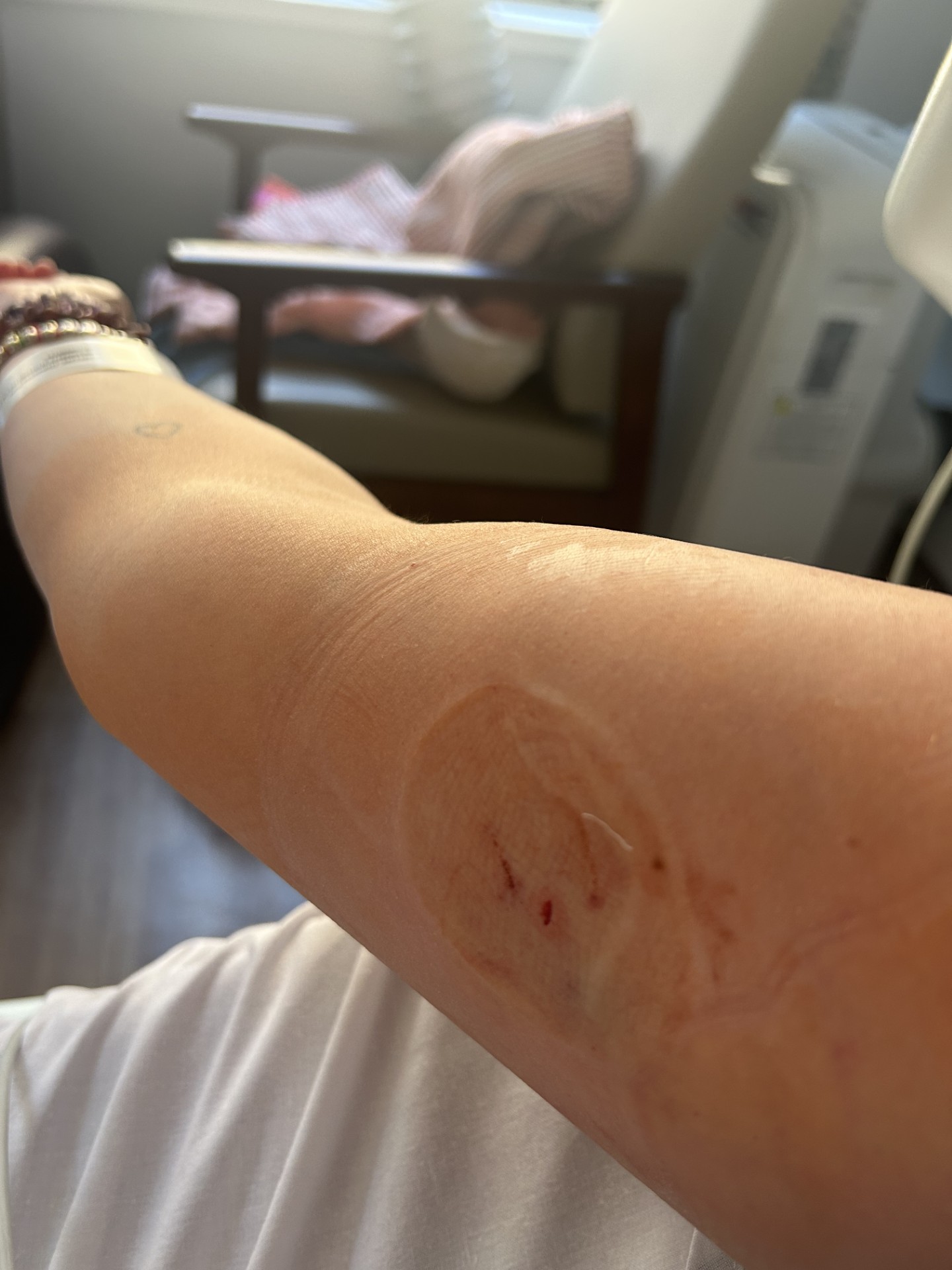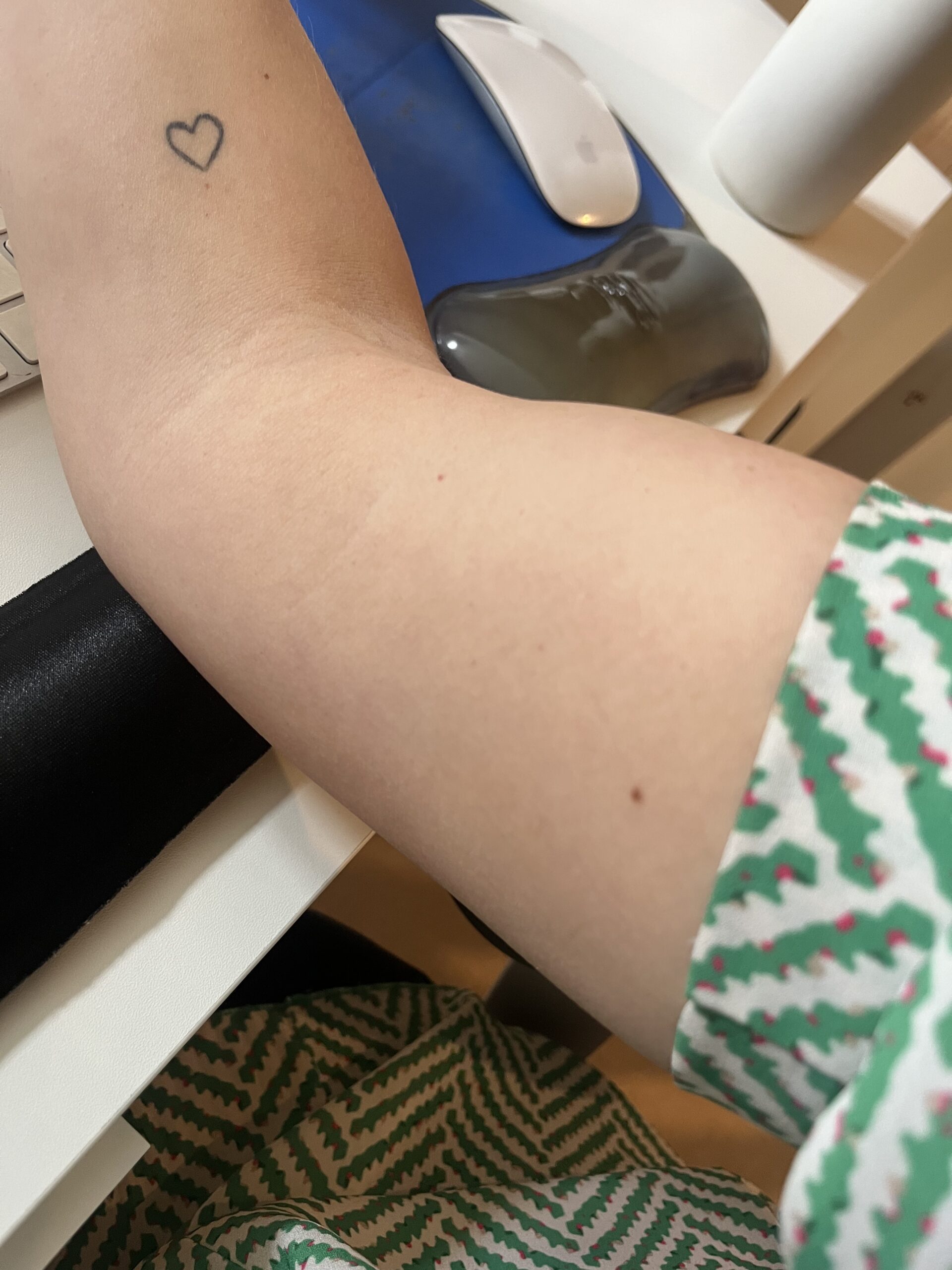
ARM procedures are performed using an alternative access to the vasculature of the arm(s). These procedures are carried out using the remote magnetic navigation system at the Royal Brompton Hospital (the only such system in the UK). Prof. Ernst is the pioneer of this novel technique which she developped during the COVID pandemic. ARM procedures allow for a fast recovery and don’t require any bed rest. Most of the patients are discharged on the same day after a few hours of observation.
Types of ARM procedures currently available
Not all arrhythmias are yet amenable for an ARM procedure, but many are already feasible. Typically ablations for SVT (Supraventricular tachycardia), typical atrial flutter and premature ventricular contractions (PVC) can be carried out from the arm vessels. All procedures are carried out in the presence of a dedicated anaesthetist, but may be under local anaesthesia plus sedation rather than on general anaesthesia.
Advantages of ARM
ARM procedures can be carried out with very little radiation exposure. Patients can immediately ambulate and recover quickly from their procedure. Traveling is allowed right after the initial follow-up consultation, provided that the patient does not carry anything heavy on the treated arm.
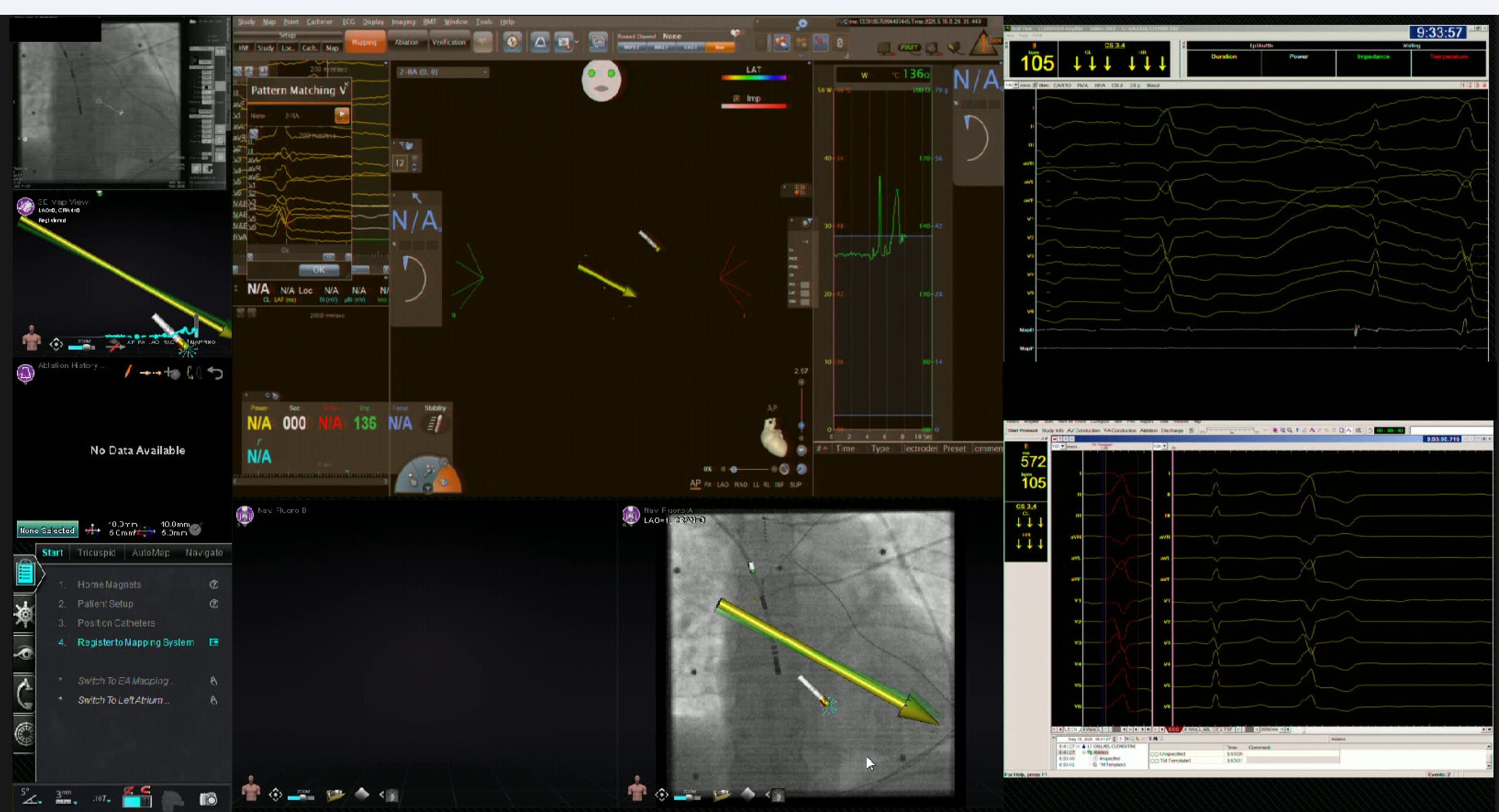
Example of PVC ARM procedure